
Everything You Need to Know to Visit a Michigan Powwow This Summer
Would you like to save this full guide?
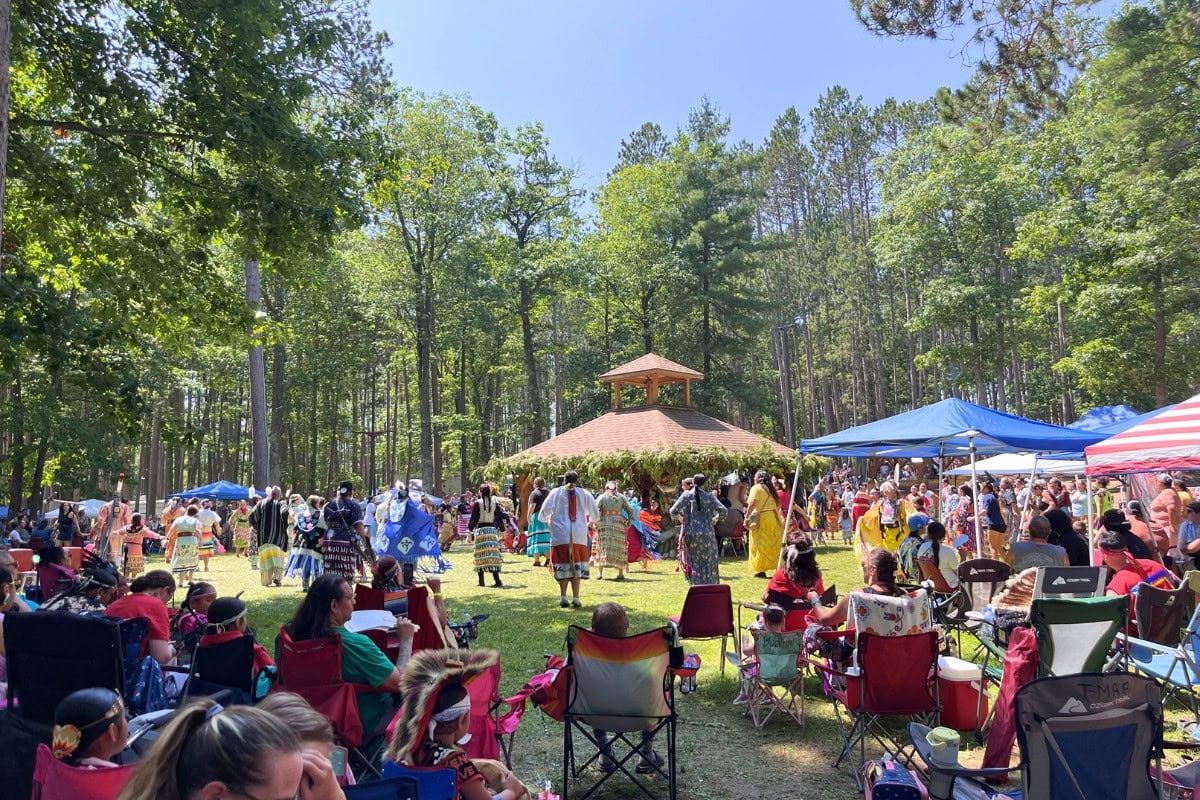
Powwow season is one of the best opportunities to experience Native American culture, traditions, music, dance, and community gatherings across Michigan. Tribes and Native organizations host events throughout the summer that welcome both tribal members and visitors alike.
If you’ve never attended a powwow before, it’s a unique experience to add to your summer Michigan itinerary. A powwow is a gathering where Indigenous communities celebrate and share their heritage through traditional dancing, singing, drumming, art, and food.
Events on this list are open to the public and provide a chance to learn, connect, support Native vendors and artists, and experience traditions that have been passed down for generations.
While every powwow is unique, they all share a common purpose of bringing people together. Let’s take a look at the Michigan powwows happening this summer. Plus, we’ll discuss some etiquette and tips.
Great Lakes Area Traditional Powwow | Wilson
June 19-21, 2026
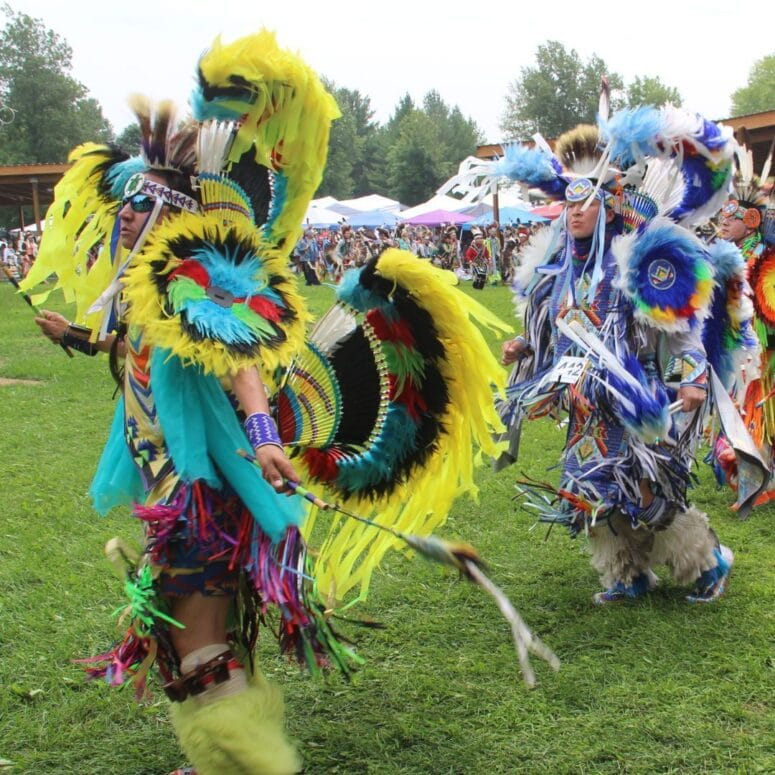
Summer powwows in Michigan kick off in Wilson, where the Hannahville Indian Community welcomes visitors to the Woodland Gathering Grounds. Celebrating its 50th year in 2026, the Great Lakes Area Traditional Pow Wow brings together dancers, drummers, families, and vendors from across the region.
Grand Entry sessions take place throughout the weekend, with special events including hand drum contests, Woodland dance specials, and the crowd-favorite Deadliest Auntie & Uncle Contest.
What is a “Deadliest Auntie & Uncle Contest? In powwow culture, “deadly” is a compliment. Think fierce, stylish, confident, and full of personality.
Bay Mills Pow Wow | Brimley
June 26-28, 2026
Set along Lake Superior in Michigan’s eastern Upper Peninsula, the Bay Mills Indian Community’s Honoring Our Veterans Pow Wow combines competition dancing, big drum contests, and a tribute to Native veterans. Grand Entries take place throughout the weekend, with dancers competing in Traditional, Woodland, Fancy, Grass, and Jingle categories.
Beyond the main competitions, visitors can catch crowd-favorite specials like the Crow Hop, Switch Dance, and Hand Drum contests. It’s also good to learn more about Ginoozhekaaning, meaning “Place of the Pike,” before visiting.
Bahweting Homecoming Powwow | Sault Ste Marie
July 3-5, 2026
Hosted by the Sault Ste. Marie Tribe of Chippewa Indians, the Bahweting Homecoming Powwow brings dancers, drummers, and families together for a Fourth of July weekend tradition. Competition dancing and drum contests draw participants from across the region, while special events highlight old-style jingle dancing, sidestep singing, and bells-only competitions.
What Does “Bahweting” Mean? Ojibwe word translated as “Place of the Rapids,” a reference to the St. Marys River rapids that shaped the community’s history and identity.
Kchi Wiikwedong Anishinaabek PowWow | Traverse City
July 7, 2026
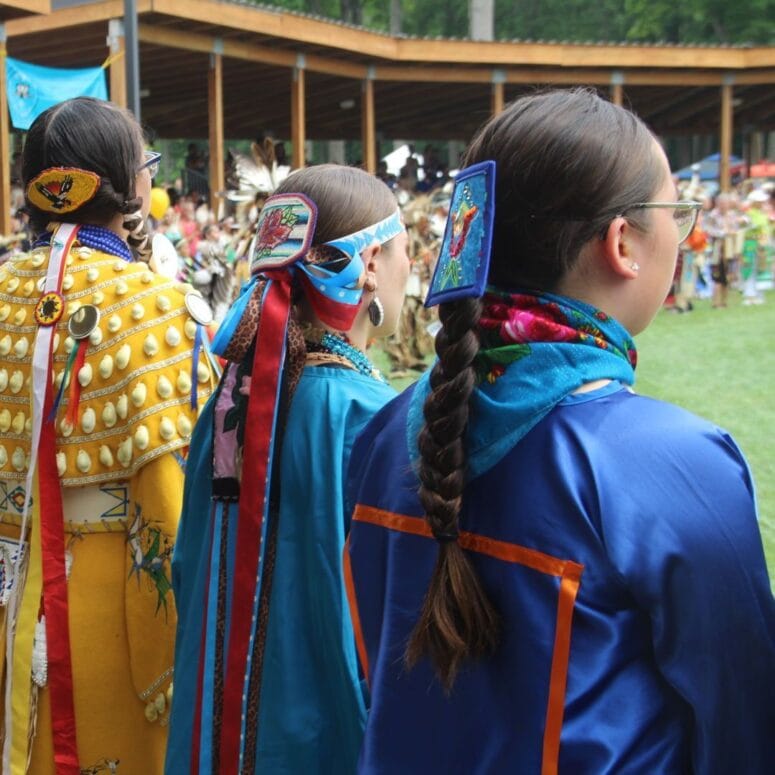
Held during the National Cherry Festival, the Grand Traverse Band of Ottawa and Chippewa Indians Pow Wow offers visitors a chance to experience one of the region’s oldest traditions alongside one of its biggest celebrations.
The day begins with Native arts, crafts, food, and cultural displays before Grand Entry kicks off the powwow. Expect traditional dancing, drumming, singing, and the crowning of the Wiigwaasmin royalty, a program that honors Native youth who embrace Anishinaabe culture, language, and traditions.
Sweetgrass Moon Powwow | Hopkins
July 11-12, 2026
After taking a year off in 2025, the Sweetgrass Moon Powwow returns to Jijak Camp near Hopkins. Hosted by the Gun Lake Tribe, this welcoming gathering blends traditional dancing, drumming, singing, and community fellowship.
The weekend includes a Sobriety Walk, a community feast, and plenty of opportunities to learn about Native culture in a relaxed, family-friendly setting.
“Wishkpemishkos,” aka Sweet Grass: Sweetgrass is considered a sacred plant by many Indigenous cultures. Its sweet-smelling smoke is used in ceremonies to promote positive energy, prayer, and connection to the Earth.
Sugar Island Powwow | Sugar Island
July 17-19, 2026
Getting to this powwow starts with a ferry ride, which already makes it one of Michigan’s more memorable summer gatherings. Held on Sugar Island in the St. Marys River, the weekend features traditional dancing, drumming, a community feast, and spiritual gatherings. The atmosphere tends to be a little more relaxed than some of the larger competition powwows, making it a good choice for first-time visitors.
The Ojibwe name for Sugar Island, Ziisbaakwad Minising, a reference to the maple sugar that has long been harvested in the region.

Saginaw Chippewa Tribal National Powwow | Mt. Pleasant
July 24-26, 2026
For more than four decades, the Saginaw Chippewa Tribal Powwow has welcomed visitors to the Isabella Reservation for a weekend of dancing, drumming, food, and cultural traditions. The celebration begins with the lighting of the sacred fire, which burns throughout the gathering.
More than 500 dancers, from young children to elders, take part in the weekend’s events. Between Grand Entries, visitors can browse Native-made arts and crafts, and sample favorites like fry bread.
What Is the Sacred Fire? A sacred fire burns throughout the gathering as a symbol of prayer, connection, and the spirit of the community.
Maawanji’iding Pow Wow | Baraga
July 24-26, 2026
The Keweenaw Bay Indian Community’s annual Maawanji’iding Powwow draws dancers, drummers, and families to the Ojibwa Campground in Baraga for a weekend of celebration on the shores of Lake Superior.
Visitors can enjoy Grand Entries, traditional singing and dancing, and a community feast. A variety of dance specials, including jingle, woodland, two-step, and hand drum competitions, are also held.
What Does Maawanji’iding Mean?: Maawanji’iding is an Ojibwe word meaning “the gathering place,” a fitting name for a weekend that brings people together through culture, family, and tradition.
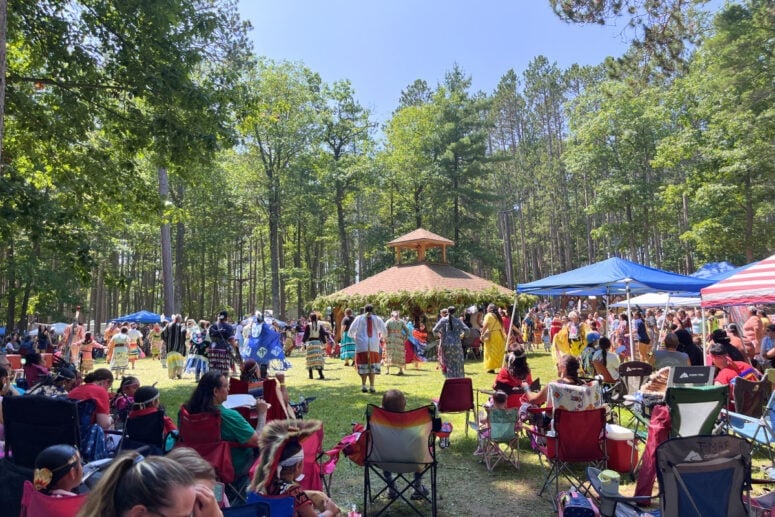 Maawanji’iding at Ojibwa Campground in Baraga | photo by Leah Tennant
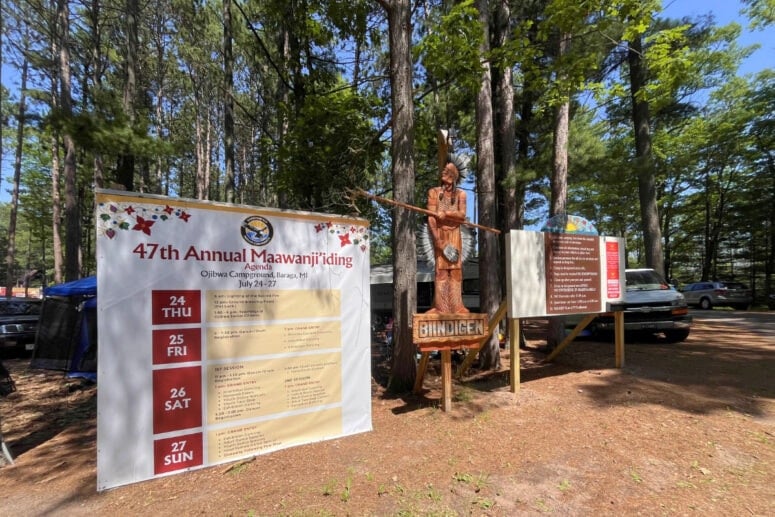 Maawanji’iding at Ojibwa Campground in Baraga | photo by Leah Tennant
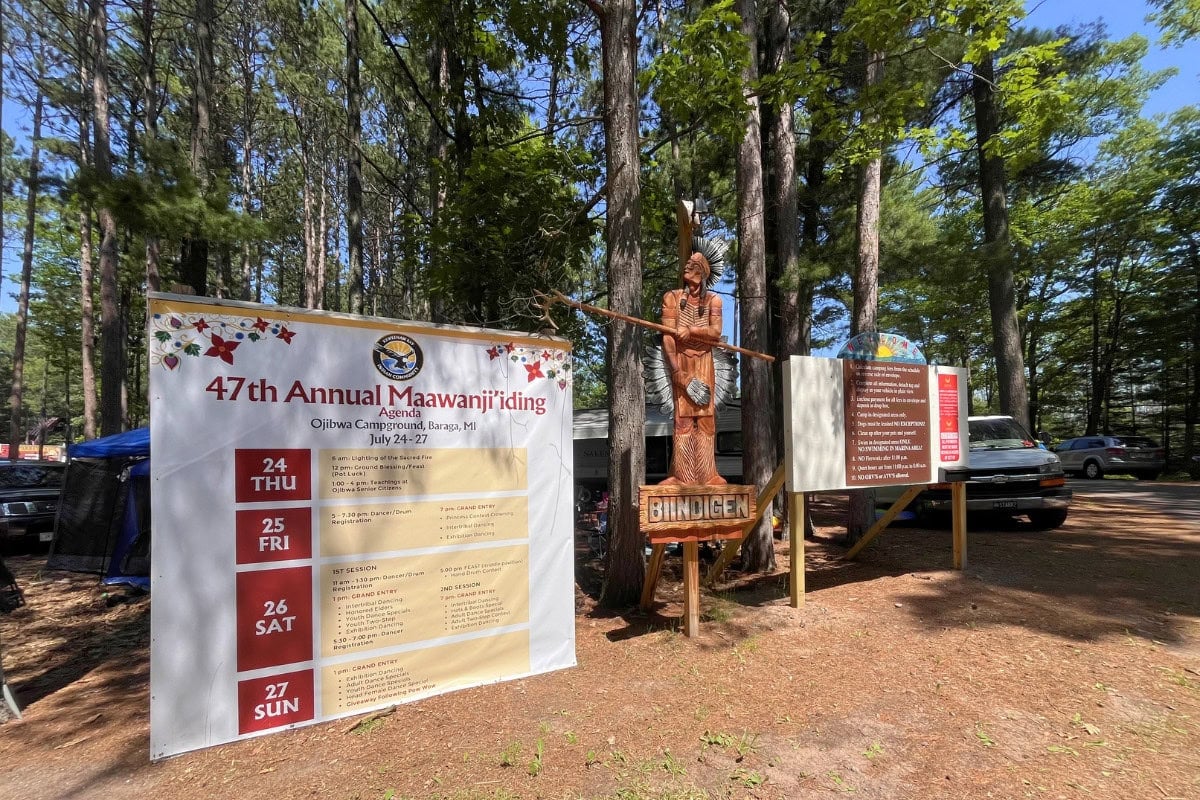
Munising Powwow | Munising
August 8, 2026
The Munising Powwow, known locally as the Kitchi Miniss Jiingtamok, is an annual cultural gathering hosted by the Sault Ste. Marie Tribe of Chippewa Indians in Munising. This is one of eight powwows being held by the tribe in 2026. Keep an eye on this website for more details on the Kitchi-Miniss Jiingtamok event at Bay Furnace Campground in early August.
Odawa Homecoming Pow Wow | Harbor Springs
August 8-9, 2026
Hosted by the Little Traverse Bay Bands of Odawa Indians, the Odawa Homecoming Pow Wow brings dancers, singers, drummers, and families together in Harbor Springs each August. The weekend features dance and drum competitions, a Princess Contest, Native vendors, and plenty of opportunities to experience Odawa culture and traditions.
Blue Water Traditional Pow-Wow | Port Huron
August 15, 2026
Set on the grounds of Michigan’s oldest lighthouse, the Blue Water Traditional Pow Wow offers one of the state’s most unique settings. Lake Huron provides the backdrop as dancers, drummers, artists, and vendors gather at the Fort Gratiot Light Station to celebrate Indigenous culture and traditions.
Visitors can browse Native-made arts and crafts, enjoy Indigenous food, and watch traditional dancing throughout the day. The event is smaller than some of Michigan’s major competition powwows, which makes it an approachable choice for first-time visitors.
Rendezvous at the Straits Powwow & Indigenous Art Show | St. Ignace
August 28-30, 2026
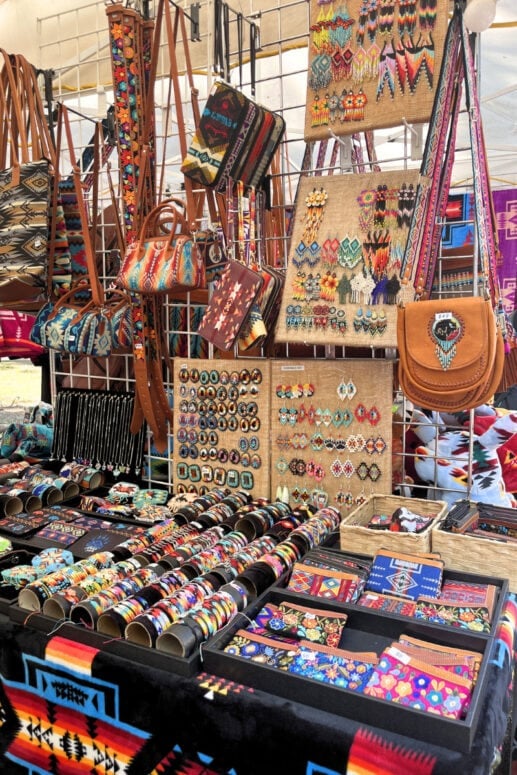
This gathering puts Indigenous art front and center. Alongside the powwow, visitors can explore works from Indigenous artists across Northern Michigan and beyond, making it part cultural celebration and part art show.
Held near the Museum of Ojibwa Culture, the event offers a chance to learn through both traditional practices and contemporary Indigenous artwork. Consider pairing a trip to this powwow with a trip to nearby Mackinac Island.
Nibiikaa Pow Wow | Escanaba
August 29, 2026
One of Michigan’s newest powwows, the Nibiikaa Pow Wow celebrates something that defines life in the Upper Peninsula: water. Held along the shores of Little Bay de Noc at Escanaba’s Municipal Dock in the Upper Peninsula, the gathering takes its name from the Ojibwe word nibiikaa, meaning “a lot of water.”
Visitors can browse Native arts and crafts, enjoy local food vendors, and experience a community gathering centered on culture, connection, and the waters that have sustained Great Lakes communities for generations.
Pow Wow Etiquette & Advice for First Timers
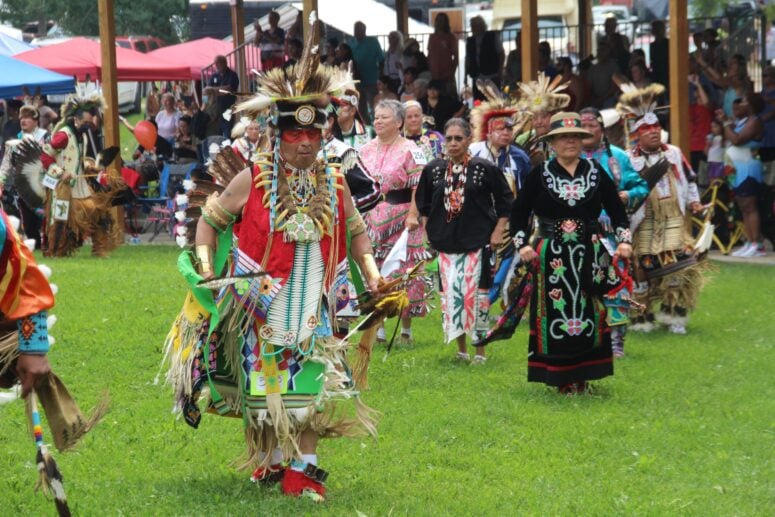
A powwow is first and foremost a cultural gathering, not a performance, festival, or tourist attraction. Visitors are welcome, but a little etiquette goes a long way toward showing respect for the people, traditions, and ceremonies taking place.
A few tips can help make your first visit a positive experience:
- Most powwows are free. Donations are usually appreciated, but check the individual events for requests like non-perishable food.
- Bring a chair. Seating isn’t usually available on site, and bringing a lawn chair or other type of comfortable seat is recommended.
- Arrive before the Grand Entry, as it’s one of the most important traditions. Give yourself time to park, find a seat, and settle in before the opening procession begins.
- Listen to the emcee. They’ll explain what’s happening and let guests know when to stand, sit, take photos, or participate.
- Never walk through the center of the dance circle. If you need to get somewhere, walk around the outside instead.
- Stand when others stand, especially during prayers, honor songs, and special ceremonies.
- Regalia is not a costume. Avoid touching it unless you’re specifically invited to do so.
- Photography is often allowed, but not always. Pay attention to announcements, and ask permission before taking close-up photos of dancers, vendors, or families.
- Bring cash. Many vendors accept cards today, but not all do, and raffle tickets are often cash-only.
- Most powwows are alcohol- and drug-free events. Visitors are expected to help maintain a respectful atmosphere.
- Dress comfortably and respectfully. Summer attire is fine, but remember you’re attending a cultural gathering. Avoid offensive clothing, overly revealing outfits better suited for the beach, and any imitation Native regalia, headdresses, or costume-style attire.
- Leave pets at home. Service dogs are usually the only animals considered for entry.
One final tip: You don’t need to understand everything on your first visit. The best approach is to watch, listen, support Native artists and vendors, and learn as you go. Curiosity is welcome. Respect is appreciated.
Trace Your Own Native American Heritage
Michigan is home to 12 federally recognized and 4 state-recognized Indigenous tribes.
You can trace native American heritage in your lineage if you’d like. Review these resources to find the right starting point. The United States Department of the Interior offers even more ways to explore your roots.

Explore More Indigenous Culture in Michigan
If you are interested in learning more, you can explore the rich cultural heritage and beautiful traditions at several Native American museums in Michigan.