
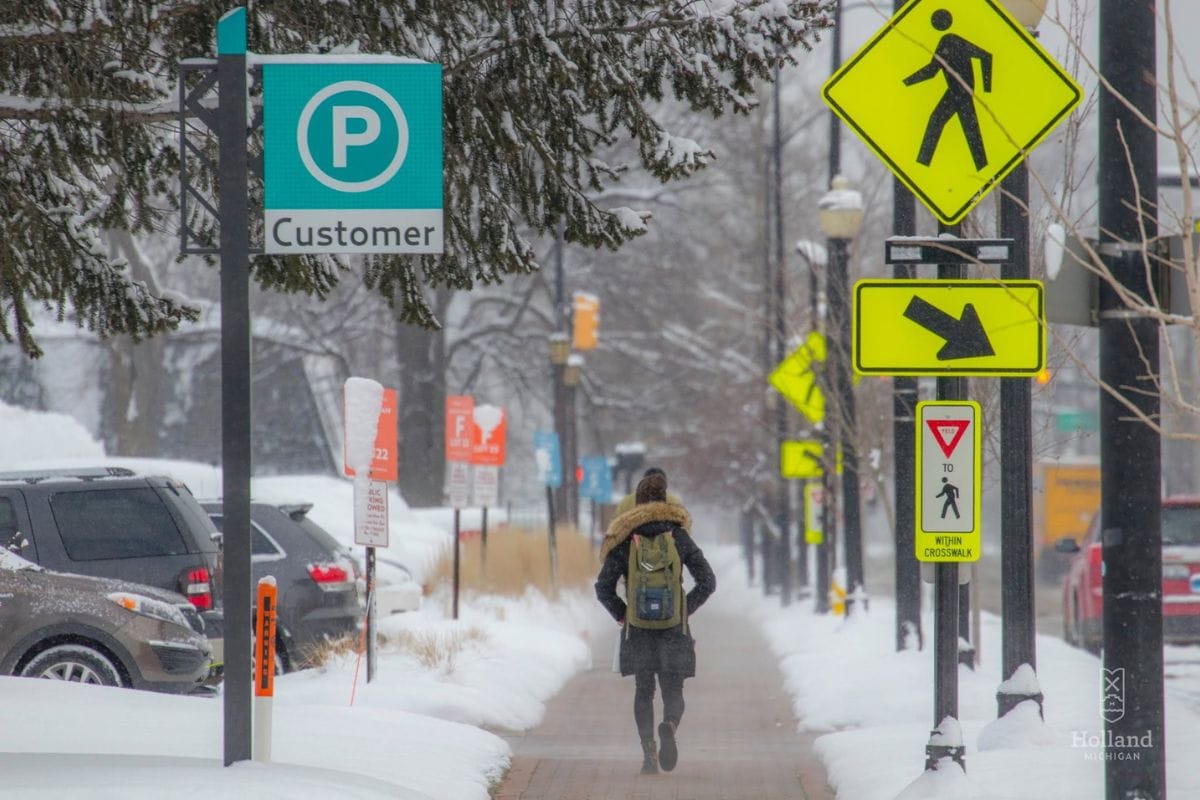
This Michigan Downtown Hasn’t Shoveled Its Sidewalks Since 1988
A snowless Michigan sidewalk in winter sounds like the start of a joke that ends with oceanfront property in Nebraska. But Holland, Michigan, isn’t kidding around when it comes to snow control. The Holland snowmelt system means winter can come at it hard and the streets are still clear enough to keep the plows away.
It seems only appropriate that a city known for millions of tulips and a working Dutch windmill would find another way to make people stop and stare. On Michigan’s Lake Michigan coast, Holland has spent nearly four decades warming its downtown from underneath.
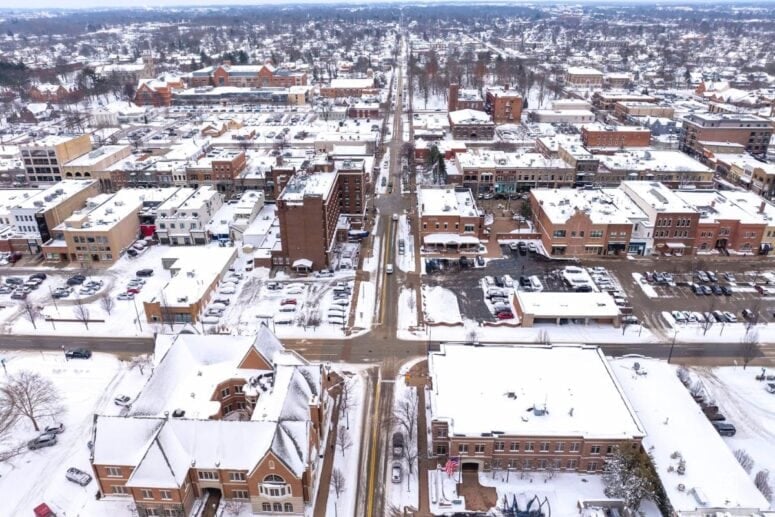
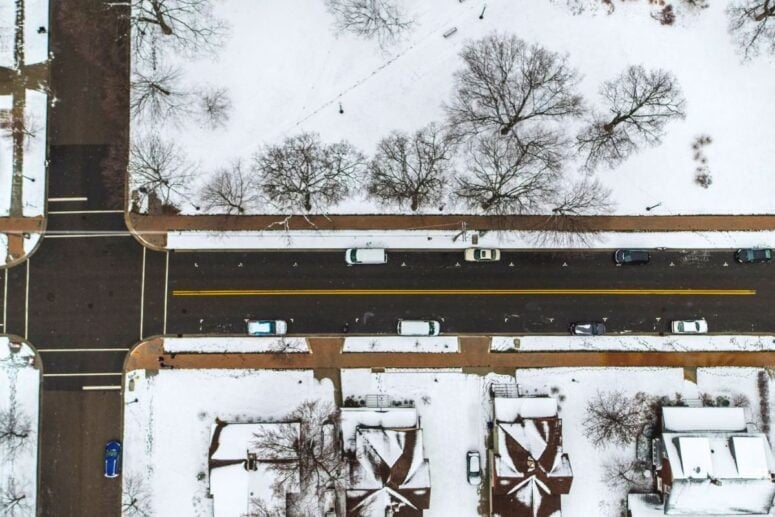
The concept of the snowmelt system makes you wonder what’s really going on below your boots. It’s not just one or two snow-free sections of sidewalk. It’s streets and parking lots, too; enough to cover 18 football fields.
How Does the Holland Snowmelt System Work?
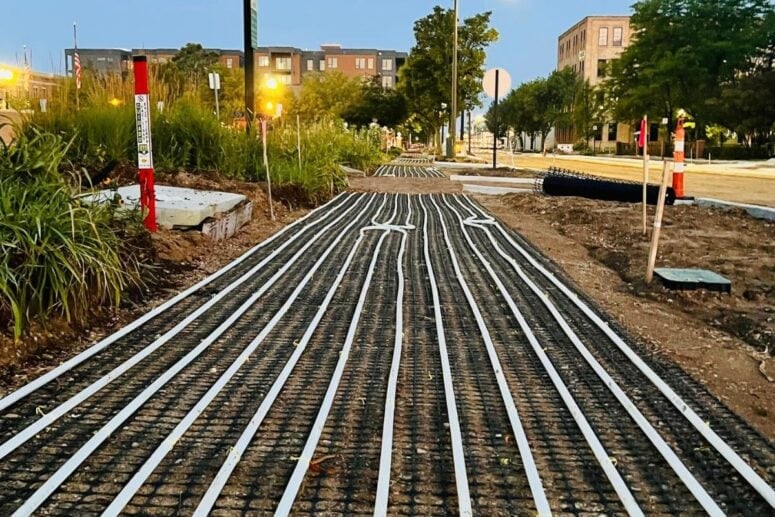
Imagine radiant floor heating, then take it outside and run it beneath a downtown.
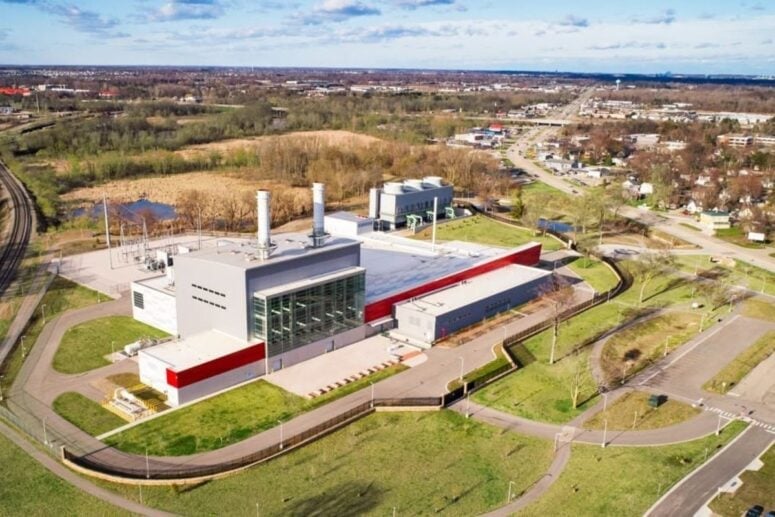
The Holland Board of Public Works captures waste heat from power generation and uses it to warm water circulating beneath the pavement. That water delivers heat to the streets and sidewalks, then returns to the plant to repeat the trip.
It’s a closed loop, so the same water keeps circulating. According to the city, more than 4,700 gallons move through the system each minute at approximately 95 degrees Fahrenheit.
“What we’re using is waste heat from the power plant, Holland Energy Park,” says Holland Mayor Nathan Bocks.
Bocks explains that the water enters the system at about 95 degrees and returns at roughly 75 degrees, having given up some of its warmth along the way. The result is a second job for heat that already exists: helping people get around downtown Holland without negotiating an icy sidewalk.
The Sidewalks Can Keep Up With an Inch an Hour
Warm water sounds pleasant enough. But this is West Michigan, where lake-effect snow can arrive with the enthusiasm of a Labrador discovering an unattended sandwich.
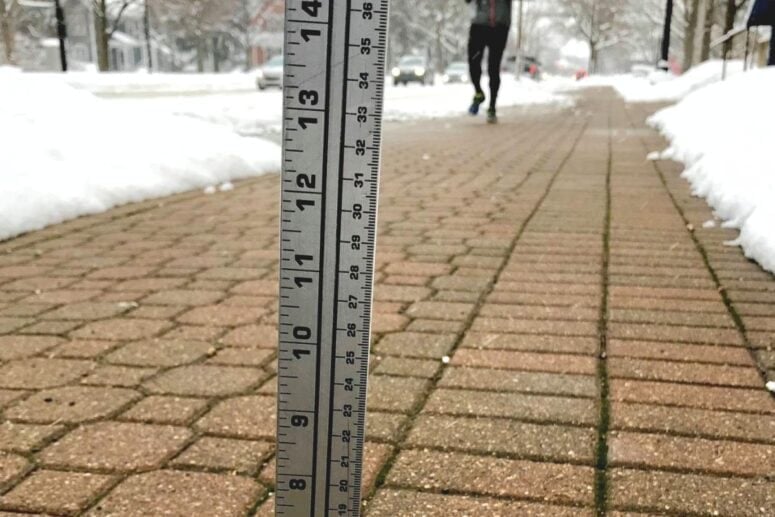
The system is designed to melt about an inch of snow per hour at 20 degrees Fahrenheit with winds of 10 mph. Those conditions matter. Holland’s snowmelt system has limits, rather than a blanket guarantee against whatever winter delivers.
“We’re able to melt an inch of snow an hour at 20 degrees.” Bocks says, adding, “It’s a real boon for our residents and shops. Runners and walkers alike love to come to downtown Holland and enjoy our normally dry and clean streets.”
The warmth reaches the surface through small tubes beneath the pavement. Holland’s downtown development coordinator, Jeff Genova, describes three-quarter-inch tubes spaced every six inches. The pavement feels slightly warm when the system is fully operating, rather than hot.
You’re walking over a carefully distributed heating network. It just happens to come with storefronts.
A Shopping Mall Helped Inspire Heated Streets
For all its engineering appeal, the Holland snowmelt system began with a very human concern: getting people to come downtown.
In the 1980s, Westshore Mall brought new competition for Holland’s downtown businesses. An enclosed shopping center offered something especially persuasive in February: the ability to browse without weather participating.
Local entrepreneur Edgar D. Prince had seen snowmelt systems during trips to Europe. He proposed bringing the idea home as Holland planned a major downtown streetscape renovation. With the pavement already being rebuilt, there was an opportunity to put something useful underneath it.
Prince contributed the first $250,000 toward the $1.1 million snowmelt project. The city, Board of Public Works, and downtown businesses backed the effort.
“Initially it was thought of as a crazy idea, a folly,” Bocks says. “But as the years have gone by, we can’t imagine living without it here.”
Holland installed the system in 1988. Nearly four decades later, the supposedly extravagant idea has become part of how downtown functions.
Even Some of the Bricks Have a Job
The system’s “smart bricks” contain sensors that help monitor conditions at pavement level. Bocks describes them as reporting when areas get too cold, providing information that helps operators respond where more warmth is needed.
The technology grew from a project by BPW’s Pete Hoffswell. Reporting on its development describes battery-powered sensors using low-power radio to transmit information about surface temperature and wetness. Those readings help answer a deceptively useful question: Is the pavement getting enough heat, or more than it needs?
Underfoot, there’s more happening than snow disappearing.
The Heat Gets a Second Life
Holland originally supplied snowmelt with waste heat from its coal-fired power plant. Today, natural-gas-fueled Holland Energy Park supplies the warmth. The newer plant opened in 2017.
“We like to consider our snowmelt system a green system because we’re using energy that would’ve gone to waste. But it’s also reducing the amount of fossil fuels used in our snowplows, ” Bocks adds.
The plant still uses fossil fuel to generate electricity. Snowmelt makes additional use of the heat from that process, while reducing the need for salting and snowplowing on covered surfaces.
Installation is a substantial investment, which helps explain why Holland hasn’t simply heated every street.
“With every new municipal project that we have we look at the possibility of expanding the system,” Bocks says. “It is expensive, but once it’s in, it’s not that expensive to operate.”
Holland Isn’t Michigan’s Only Town With Warm Sidewalks
Holland has company in keeping winter underfoot.
- Grand Haven heats downtown sidewalks along Washington Avenue
- Kalamazoo has snowmelt along its downtown pedestrian mall with an expansion coming to the Kalamazoo Event Center.
- Zeeland added heated sidewalks and brick crosswalks during its Main Avenue makeover.
The footprints vary, but the appeal is familiar: more winter strolling, less penguin shuffle.
Follow the Clear Pavement Through Downtown
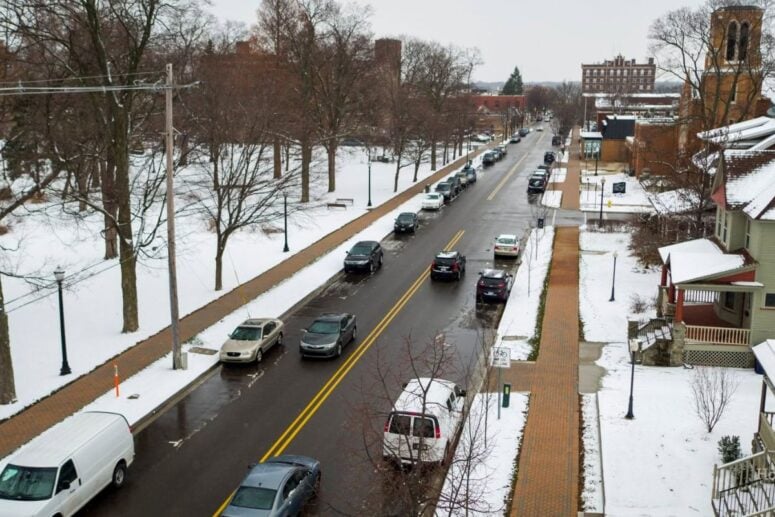
What began along 8th Street now reaches beyond the main shopping corridor. Expansions include areas:
- Around the Civic Center and farmers market
- Routes toward Herrick District Library
- Stretches of Central Avenue.
Local tourism officials describe roughly eight miles of heated streets and sidewalks. The city calls it North America’s largest publicly owned snowmelt system.
There’s even a particularly Holland twist at the Holland Ice Park: visitors can skate, then gather on a snowmelt-equipped plaza. Dutch Winterfest adds another reason to explore downtown during the holiday season.
As you walk, look for the place where heated pavement meets an unheated stretch. That dividing line explains the whole undertaking more clearly than a diagram ever could. On one side, Michigan winter carries on as usual. On the other, Holland gives winter a warm reception.